Combatting Sleep Stigma in Teens
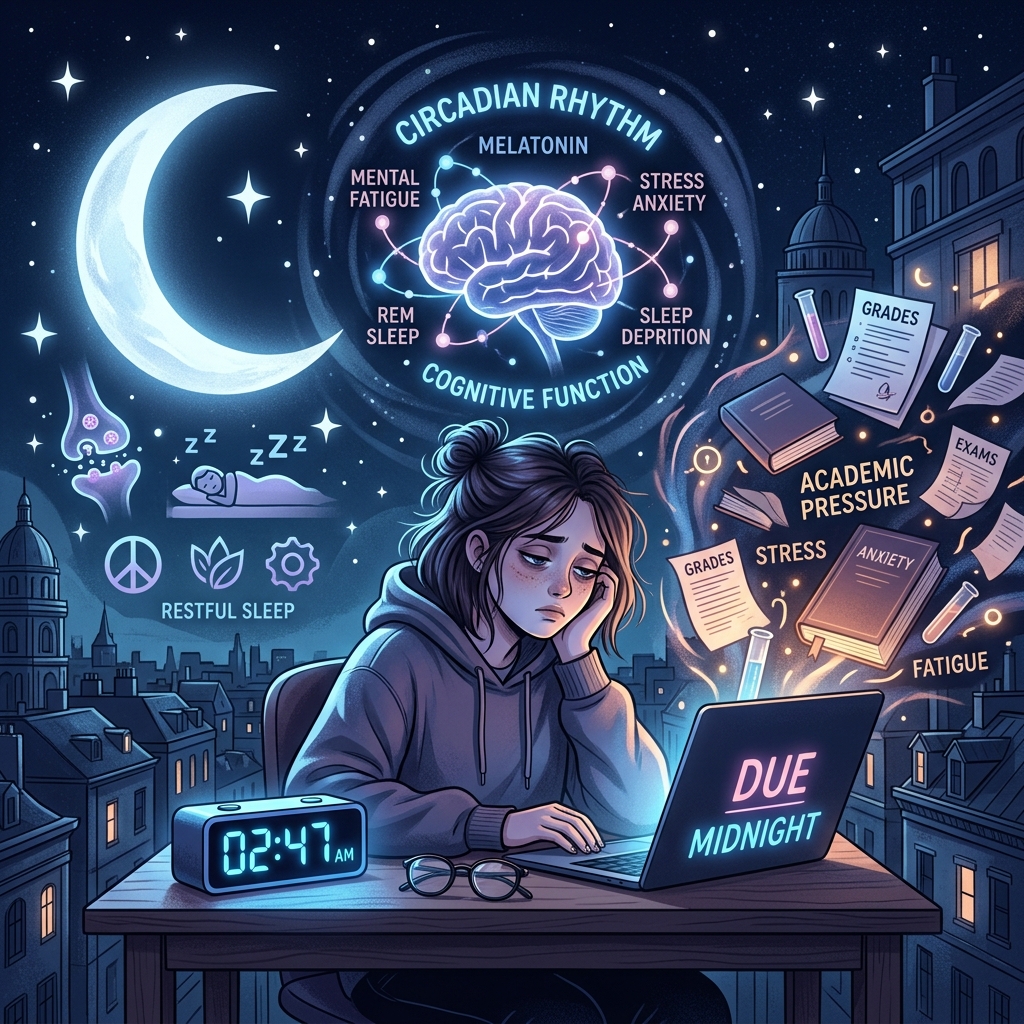
“You can sleep when you’re dead!” From a young age, today’s teenagers are told that a restful night is wasted time. But when you’re working all day, don’t you need a break at night? The simple answer is yes! But like most things involving teenagers, it really isn’t that simple. Many teenagers are pressured to become high-achievers, but with only 24 hours in a day, and between school, extracurriculars, friends, and sports, sleep often gets pushed aside. Eight hours is unrealistic for most teens: around 70-90% of teens get less than the recommended amount of sleep each night, according to the Stanford Medicine News Center.
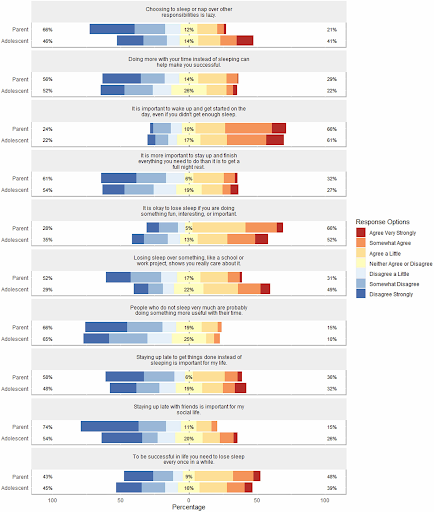
The results of a study conducted by Alvarado et. al. in June 2024 found that most students value studying over sleeping. The association of sleeping and napping with being a lazy person imposes a “sleep stigma,” the idea that those who sleep well consistently are worse students because they are not working hard enough. As students prioritize grades over rest, many teenagers experience sleep deprivation. Sleep deprivation has numerous negative effects, including lowered concentration, worsened grades, lower cognitive function, and a higher risk of mental health issues such as anxiety, depression, and thoughts of suicide. In an age of technology, these issues are compounded by access to phones, leading to even less sleep for many adolescents. Teenagers feel guilty for sleeping, and exhausted when they do not, perpetuating the concept of sleep stigma.
States and local governments have tried a variety of methods to address the less-than-satisfactory sleep schedules of teenagers, the most prominent method being delaying school start times. In 2023, the American Psychological Association wrote that schools starting between 8:30 and 8:59am recorded longer sleep duration, a more positive mood, and better behavioral health for students. Recently, California passed a law in 2022 that prohibited high schools from starting school before 8:30 A.M.. Similarly, in 2023, Florida passed a law mandating the same start time of 8:30 A.M. for high schools, but reversed it this year due to the complications it introduced, especially for working parents. Later starts are beneficial for students, but can neglect the needs of their working parents, who, like their children, often must be at their workplace at a certain time.
Other schools have mental health days, excused absences during which students can stay at home to care for their mental health. Mental health days are a tool for recuperation, and as consistent, high-quality sleep is a core pillar of mental health, many exhausted students tend to use these days to catch up on lost sleep. The National Alliance on Mental Illness argues that “it is widely accepted that if a student has a physical illness, they should stay home, get better, and come back to school when they feel well. When a student’s mental wellness needs attention, there often isn’t the same expectation.” While there is little to no stigma in taking a physical health day, the same cannot be said for taking a mental health day. Mental health is not less than physical health in any way. In fact, the two are deeply intertwined. However, people tend to focus on their physical health while neglecting their mental health. This mindset can be detrimental to children and adolescents, especially as they enter a world filled with deadlines, exams, and stress.
Improving teens’ sleep and overall mental well-being looks like a daunting challenge, but by breaking it into multiple steps, it is possible. Firstly, destigmatizing mental health and promoting healthy sleep schedules, through integrating mental health education into elementary school science curricula, is crucial. Mental health conditions are often misrepresented as not real or shameful, and combatting this image is the most effective through the medicine of education, especially during the early stages of a child’s development.
The next step would be to provide resources for students looking to improve their mental health. Many middle school students feel more stress than in elementary school due to an increase in workload, shifting friendships, test anxiety, and more. The beginning of middle school would be an ideal time to bring more resources into play for all students, aiding them in the process of balancing their academic, extracurricular, and social lives. Visits and talks from high school students, required occasional check-ins with teachers, brochures on effective, research-based study strategies, advice on overcoming procrastination, and a mentorship program with high school students would help middle schoolers to prepare for the next, more stressful, and likely less sleep-filled phase in their life: high school.
In high school, the focus of these resources should shift more to sleep, while still discussing stress, among other mental health concepts. Schools should aim to combat the perception that academic success can only be achieved through sleep deprivation. Teachers in each class should give a brief talk on how best to manage the workload in their class, while occasionally checking in on the wellbeing of their students. Upperclassmen and alumni could also host workshops and discussions talking about their relationship with sleep, and how and why it has or has not changed.
The biggest win would be passing a law pushing back high school start times to be no earlier than 8:30 A.M. To reduce the inconvenience that these start times would have on working parents, state and local governments could partner with public transportation services and private contractors to subsidize the costs of going to school through part of the school budget, grants, or a partnership with a non-profit.
While it may not seem like it, sleep remains a cornerstone of adolescent health, even in the competitive backdrop of high school. As Dr. Rafael Pelayo, professor of psychiatry and behavioral sciences at the Stanford Sleep Disorders Clinic puts it, “When teens wake up earlier, it cuts off their dreams. We're not giving them a chance to dream.” By combatting sleep stigma, today’s teenagers truly will be given the chance to dream.
References
- Alvarado, G., Hilton, A., Montenegro, A., & Palmer, C. A. (2024). Passing on the Zzz’s: Adolescent sleep attitudes are associated with sleep behaviors and parental prioritization of sleep. Sleep Health, 10(3). https://doi.org/10.1016/j.sleh.2023.12.006
- Countering Stigma. (n.d.). Classroom Mental Health. Retrieved May 25, 2026, from https://classroommentalhealth.org/in-class/classroom-climate/stigma
- Kelsey, W. (2019, March 26). Managing Stress for Middle School Students. Youth First Inc. https://youthfirstinc.org/managing-stress-for-middle-school-students
- Mental Health Days: School Absence Policies | NAMI: National Alliance on Mental Illness. (n.d.). Www.nami.org. https://www.nami.org/Advocacy/Policy-Priorities/Improving-Health/Mental-Health-Days-School-Absence-Policies
- Richter, R. (2015, October 8). Among teens, Sleep Deprivation an Epidemic. Stanford Medicine News Center; Stanford Medicine. https://med.stanford.edu/news/all-news/2015/10/among-teens-sleep-deprivation-an-epidemic.html
- Staff Reports. (2025, May 21). Governor signs repeal of later school start times. Florida Politics. https://floridapolitics.com/archives/738620-school-start-time
- Weir, K. (2023, October 30). Schools Shift as Evidence Mounts That Later Start Times Improve Teens’ Learning and well-being. American Psychological Association. https://www.apa.org/topics/children/school-start-times